Thin-film and Short-path Evaporation
Thin-film Dryer

Thin-film Dryer
Thin-film Dryer
How it works
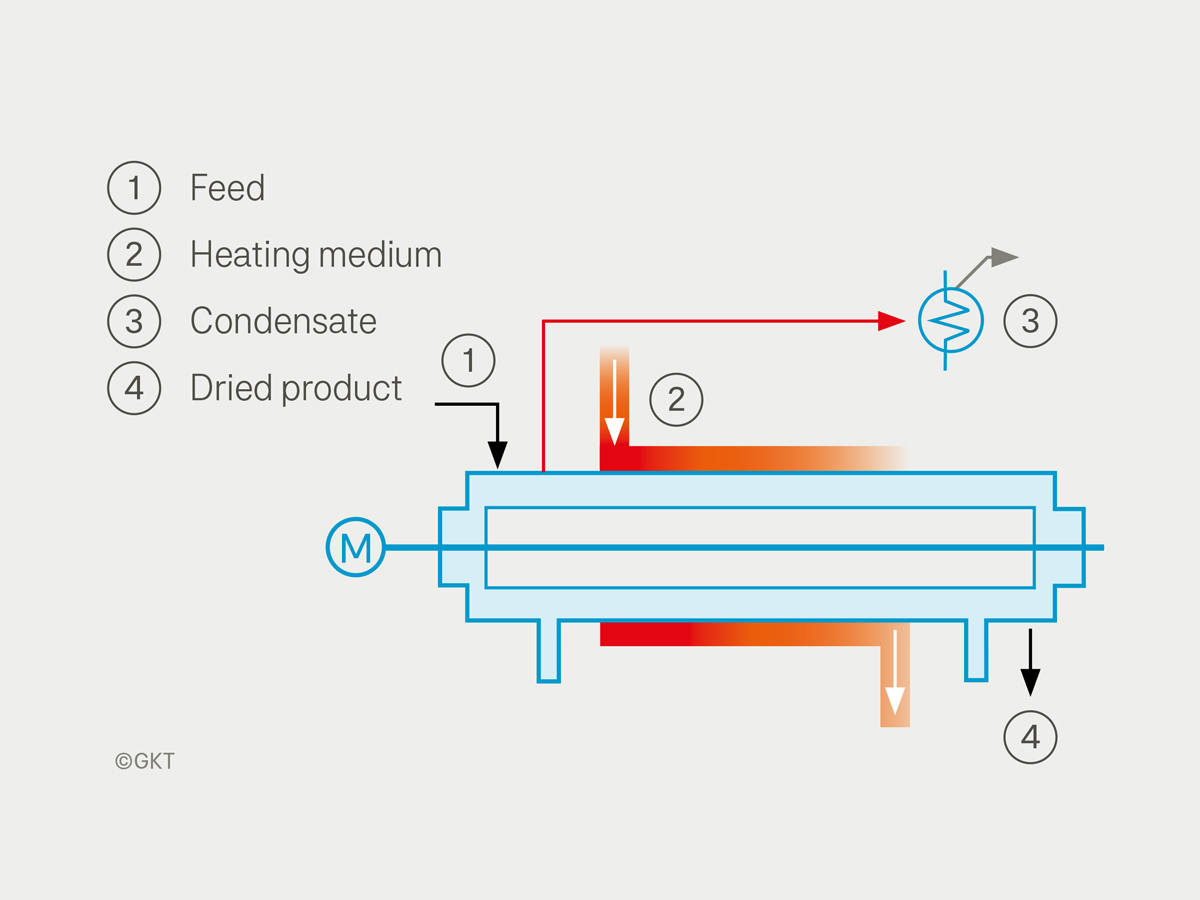
The medium to be dried is distributed continuously around the entire circumference of the heating wall. Special wiper elements continuously renew the contact between the substance and the heating wall and ensure that the product flow continues.
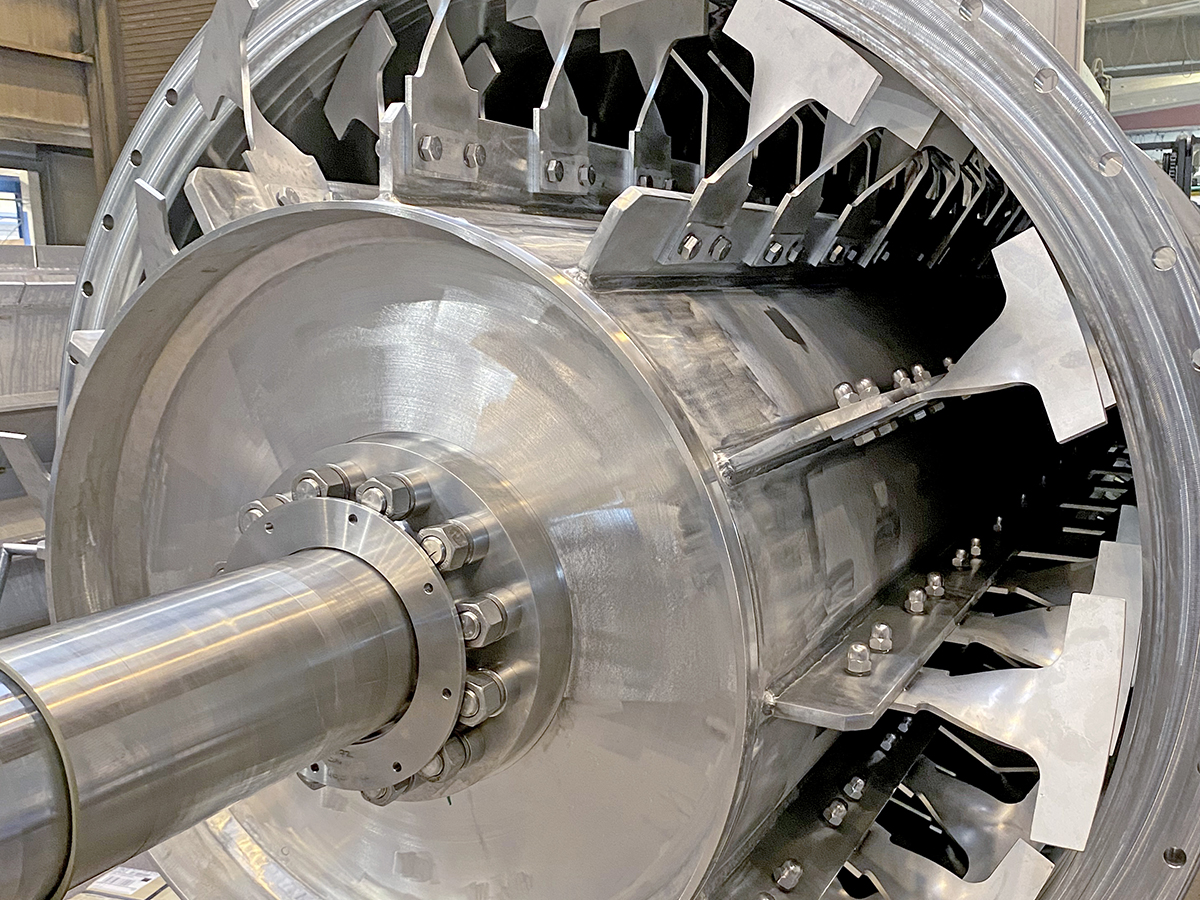
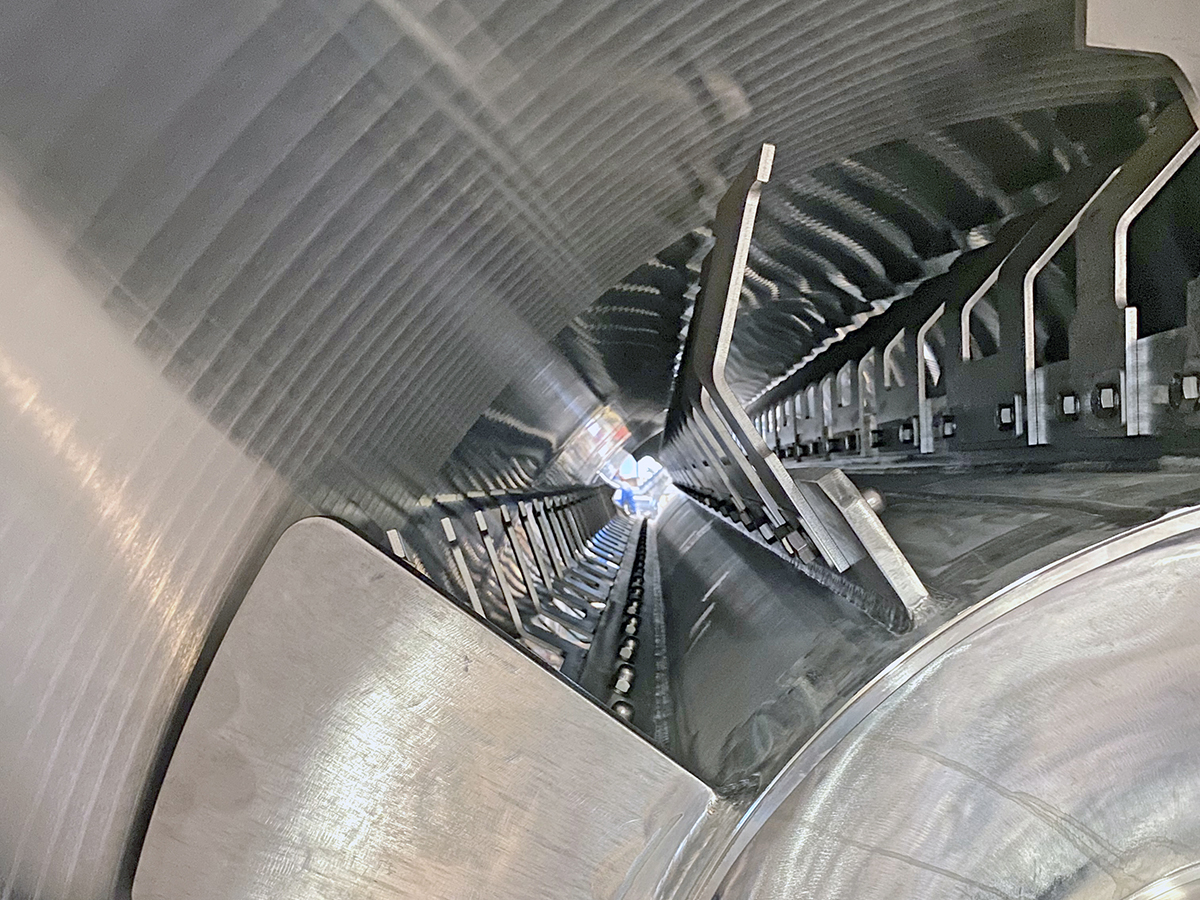
As the solid rotor blades do not touch the heating jacket (defined gap), incrustation or blockage of the heating surface is avoided and liquid substances can be dried to powder form despite the gentle process.
Advantages
- High product purity
- Minimal product loss
- Highest dry matter content
- Gentle drying thanks to short dwell time and permanent product circulationHardly any deposits on the heating surfaces due to mechanical cleaningReduced maintenance work thanks to clever design of the bearing and shaft seals
- Closed design for a controlled, virtually emission-free process operation
Applications
- Slurry: Sewage sludges, process- and industrial sludge, municipal sludge
- Chemical products (precursors or intermediates)
- Saline solutions
- Moist solids
- Suspensions
- Pastes
Sustainability through industrial heat pump
The combination of thin-film dryers with industrial heat pumps, such as mechanical vapor recompression, makes the drying process significantly more sustainable.
In this process, steam is compressed by an electrically driven compressor and reused to heat the evaporator at an elevated temperature and energy level.
This technology is particularly advantageous at locations without external steam supply, as it significantly reduces both lifecycle and operational costs, as well as energy consumption.