Our Approach
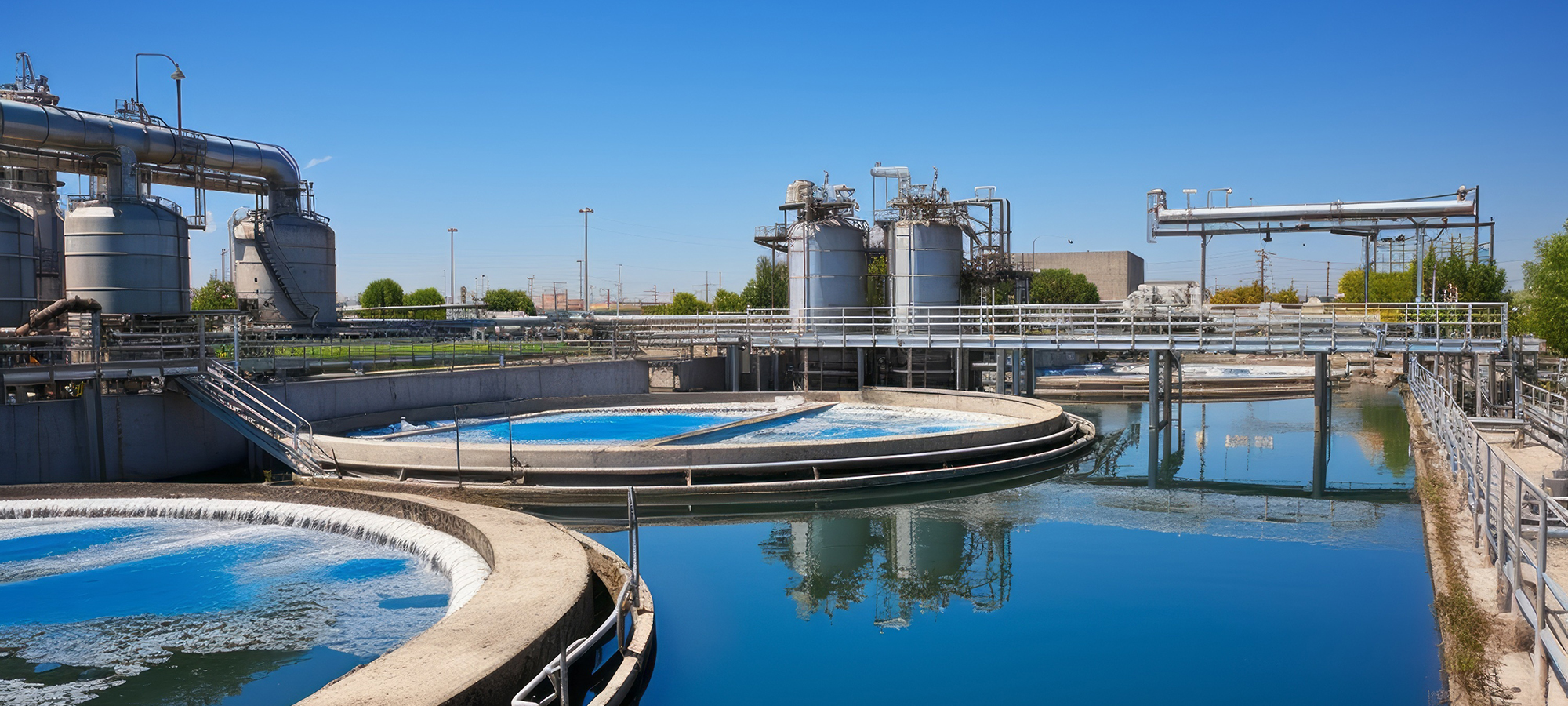
Efficient sludge drying reduces volume and prepares municipal and industrial sludge for further treatment or utilization, including phosphorus recovery, incineration, and gasification. Reliable drying processes are essential to handle varying sludge characteristics while minimizing energy consumption and operating costs.
Less energy. More drying efficiency.
Challenges in sludge drying
With a water content of up to 80%, sludge drying requires significant energy to remove moisture. Fluctuations in sludge composition, consistency, and handling characteristics make stable and reliable operation challenging. High energy consumption, investment costs, and maintenance requirements affect overall process economics, while odor emissions may require extensive exhaust air treatment, further increasing complexity and operating costs.
The thin-film drying principle
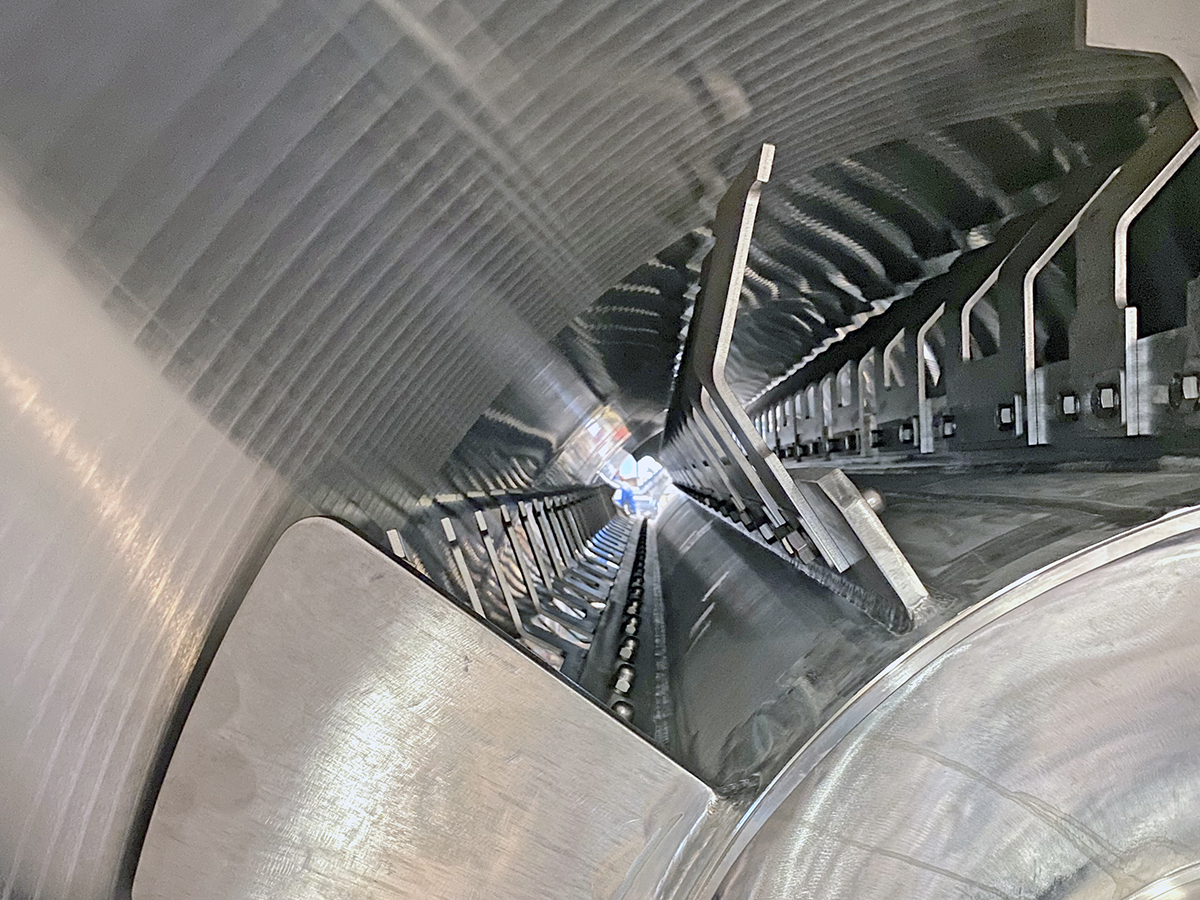
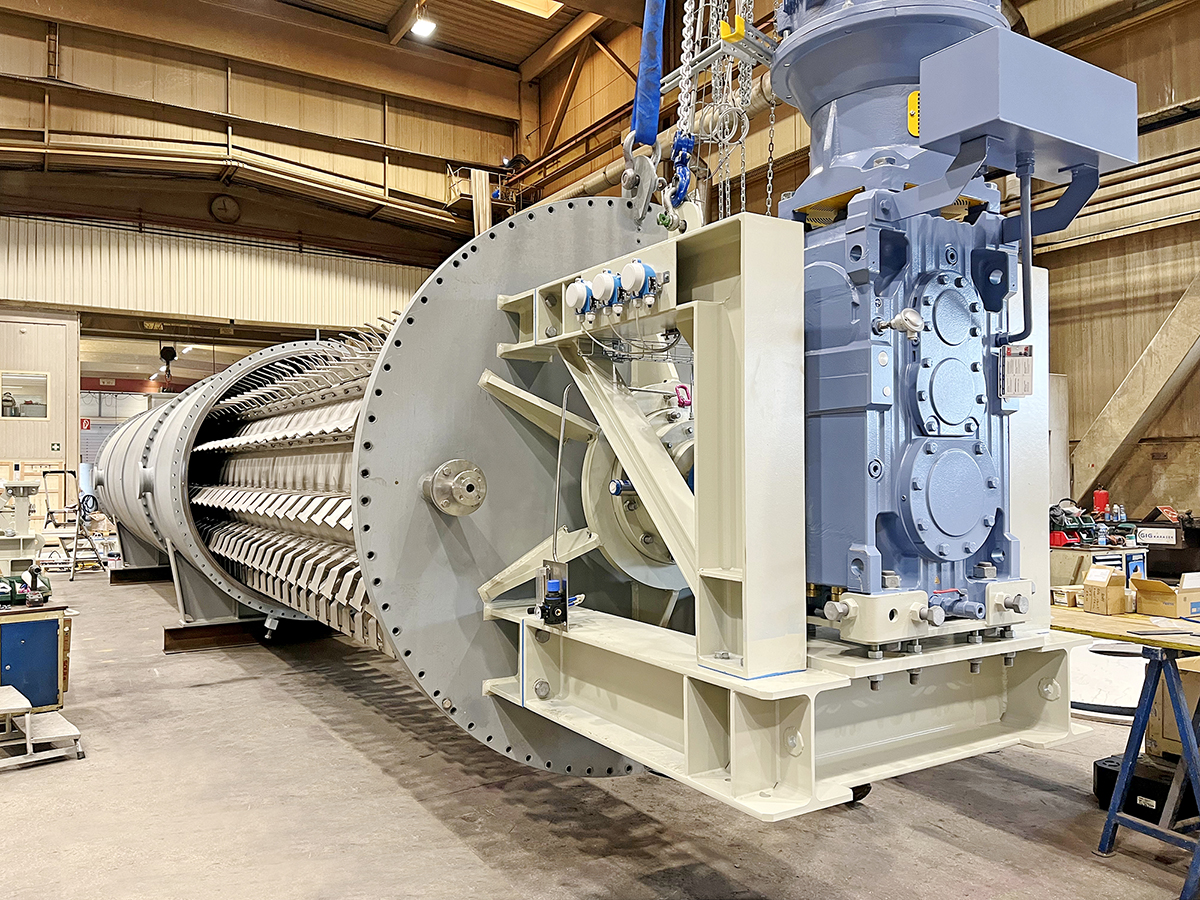
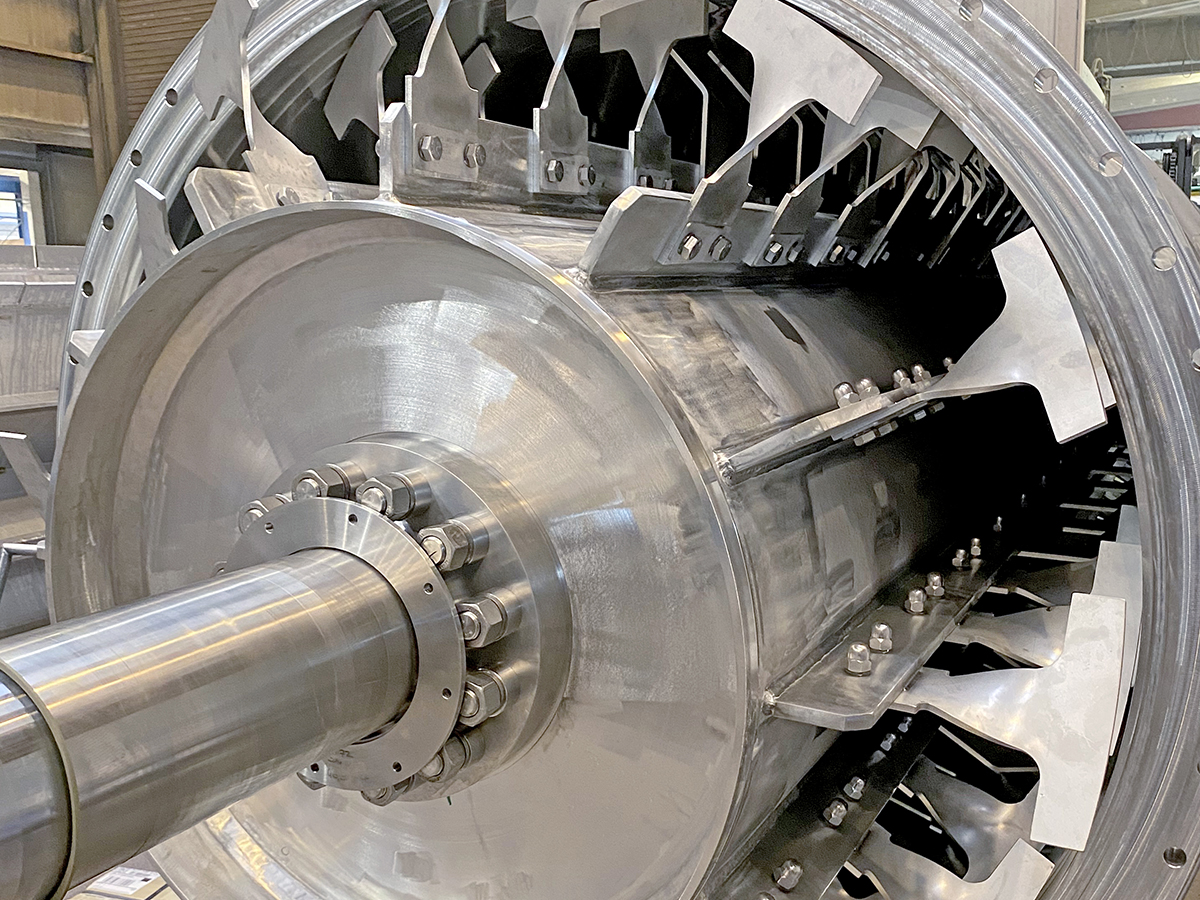
GKT horizontal thin-film dryers ensure reliable and energy-efficient sludge drying. A continuously renewed thin product film minimizes deposits on the heated surface, supporting stable operation even with challenging sludge properties.
Controlled drying for downstream processes
High evaporation performance, short residence times, and precise process control enable flexible adjustment of the final dry solids content – from partial drying (40–60%) to full drying (80–95%).
The closed evaporation system minimizes odor emissions and reduces exhaust air treatment requirements through low air volumes.
Energy-efficient drying with industrial heat pumps
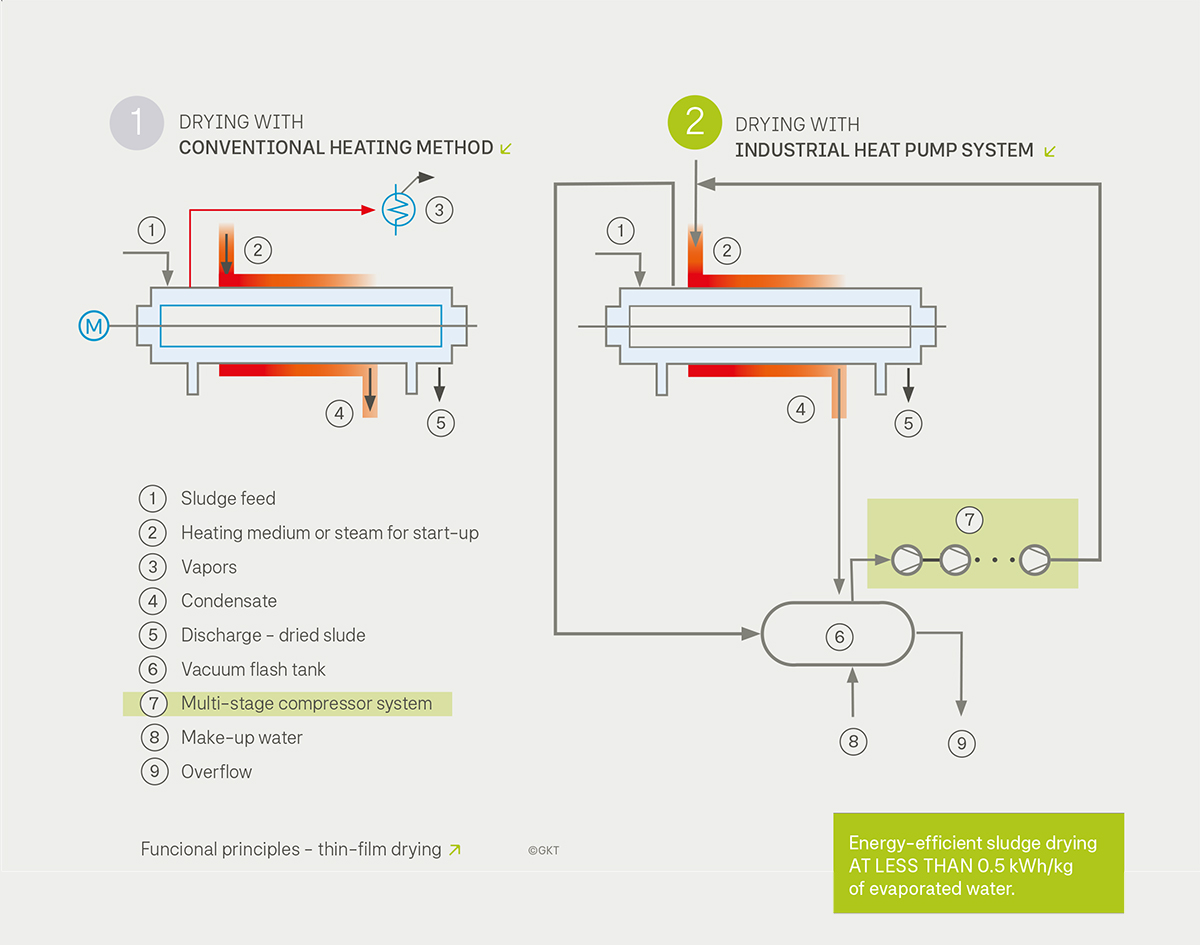
Combining thin-film drying with industrial heat pump technology, such as mechanical vapor recompression (MVR), significantly reduces the external energy demand of the drying process.
With MVR, the vapor generated during drying is compressed by an electrically driven compressor. The resulting increase in temperature and pressure allows the vapor to be reused as a heating medium within the process.
By recovering and reusing this energy, MVR reduces the demand for externally generated steam and, consequently, the consumption of fossil fuels such as natural gas. This can significantly reduce CO₂ emissions associated with steam generation and makes the technology particularly attractive for sites without an external steam supply.
Advantages
- Reduced energy consumption and operating costs with MVR or industrial heat pump integration
- High specific evaporation performance for efficient drying
- Reliable operation with low maintenance requirements
- Flexible operation with varying sludge properties
- Partial drying to 40–60% and full drying to 80–95% dry solids
- Minimal odor emissions through closed-system operation with low air volumes
WHAT OUR TEAM SAYS

“Beyond conventional sludge drying: GKT integrates thin-film drying with MVR to recover process heat and minimize external steam demand.”
Martin Hochleitner
Sales Management